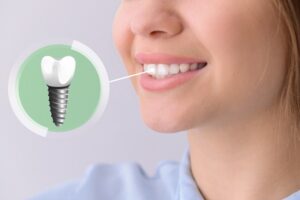


A bright, white smile can make you feel confident and ready to face the day. But many people worry about tooth stains from coffee, tea or wine, and choose whitening treatments to keep their smiles fresh. Whitening is generally safe, but it can sometimes cause temporary sensitivity. The good news is that there are several easy ways to reduce discomfort and protect your teeth after treatment.
Why Teeth Become Sensitive After Whitening
Sensitivity after whitening is very common. Bleaching products often contain ingredients like hydrogen peroxide or carbamide peroxide. These chemicals enter the surface of the tooth and make the enamel slightly more porous for a short time, which is something to consider when searching for teeth whitening near me. When this happens, your teeth may react more strongly to hot or cold foods and drinks.
Sensitivity can also happen if the whitening gel is too strong, if you used a tray that does not fit well, or if the bleaching agent contained high levels of peroxide. These factors can irritate the teeth and gums, leading to short-term discomfort.
Ways to Reduce Tooth Sensitivity
Even though sensitivity after whitening is usually temporary, it can still be uncomfortable. Here are some helpful steps to soothe your teeth and prevent further irritation:
Be Gentle With Your Teeth
After whitening, your teeth may feel more delicate than usual. Brush gently using a soft-bristled toothbrush and lukewarm water. Avoid brushing too hard, as this can irritate sensitive gums. A fluoride toothpaste can help strengthen your enamel and support natural re-mineralization.
Avoid Very Hot or Very Cold Foods
For a few days, avoid foods and drinks that are extremely hot or cold, like ice water, hot soup, or ice cream. These temperatures can trigger sensitivity. If you want to enjoy a cold drink, use a straw so the liquid does not touch your teeth directly.
Use Toothpaste for Sensitive Teeth
There are many toothpaste options designed specifically for sensitive teeth. Look for ingredients like potassium nitrate or arginine, which help block the tiny tubules in the tooth that cause pain. Using this toothpaste twice daily can reduce sensitivity and make eating and drinking more comfortable.
Try a Mouthwash for Sensitivity
A gentle mouthwash that contains fluoride or potassium nitrate can also soothe sensitive areas. Use it once or twice a day, especially before bedtime, to help calm the nerves inside the teeth and provide relief.
Adjust Your Whitening Treatment
If whitening continues to make your teeth sensitive, talk to your dentist about changing your treatment. They may suggest a lower-strength whitening gel, a shorter treatment time, or a different whitening method altogether. Finding the right product can help you maintain a bright smile without discomfort.
Limit Whitening Sessions
If your teeth feel sensitive right after whitening, wait until the discomfort goes away before trying another session. Too many treatments too close together can increase sensitivity.