
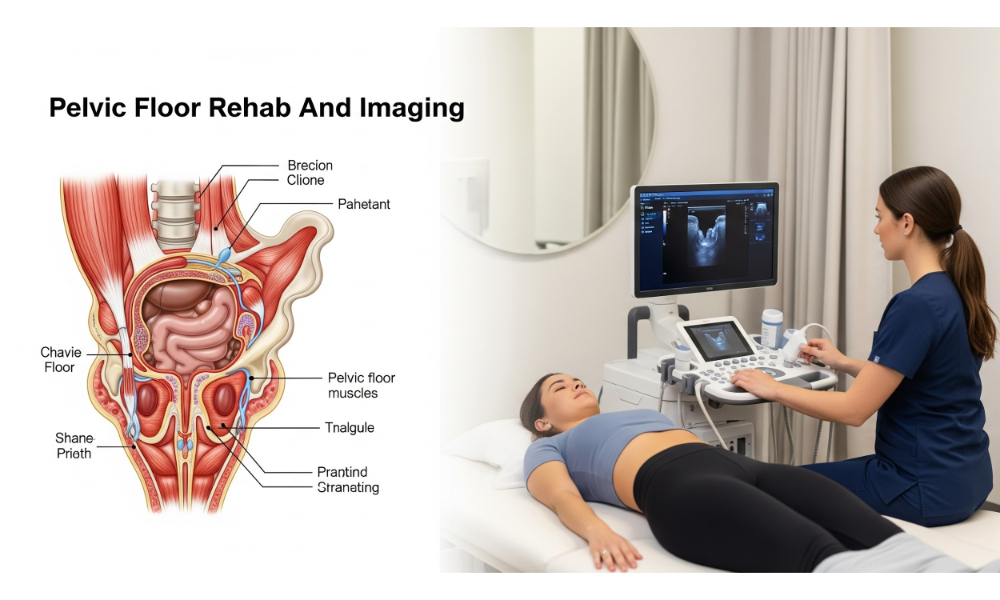

Pelvic Floor Rehabilitation And Advanced Imaging: A Precision Approach To Urinary Incontinence Treatment
Pelvic floor rehabilitation is a specialized treatment aimed at strengthening the muscles that support the bladder, uterus, and rectum. These muscles play a crucial role in maintaining urinary continence but can be weakened due to childbirth, surgery, aging, or other factors. Rehabilitation involves a series of exercises and therapies designed to enhance muscle function and relieve symptoms of urinary incontinence.
Imaging, particularly using advanced technologies such as MRI, is an invaluable tool in assessing the condition of the pelvic floor. It allows detailed visualization of the muscles, ligaments, and tissues, which helps accurately diagnose issues contributing to incontinence. This precise imaging enables healthcare providers to tailor rehabilitation specifically to the patient’s needs, targeting the exact areas requiring attention.
Combining pelvic floor rehabilitation with advanced imaging techniques like MRI not only improves diagnostic accuracy but also enhances treatment effectiveness. By understanding the specific anatomical challenges faced by each patient, clinicians can design more effective rehabilitation plans, resulting in better outcomes and improved quality of life.
The Importance Of Precision In Urinary Incontinence Treatment
Precision is vital for successful urinary incontinence treatment. Incontinence can stem from various causes, including weakened pelvic floor muscles, nerve damage, or structural abnormalities. Identifying the exact cause is essential to selecting the most appropriate treatment. Utilizing advanced imaging techniques like body and pelvic MRI helps clinicians visualize the pelvic anatomy in detail, uncovering the specific issues contributing to incontinence. This clarity enables healthcare providers, such as those at specialized centers like the Northwest Continence Center, to tailor urinary incontinence treatments to each patient’s unique condition rather than relying on a one-size-fits-all solution. Consequently, patients experience more effective and timely relief.
The benefits of precise treatment extend beyond symptom control. It reduces the risk of unnecessary procedures or interventions, minimizes potential complications, and supports a safer recovery. Ultimately, precision fosters a personalized, patient-centered approach to care.
Ultimately, precision fosters a personalized, patient-centered approach to care.
How Advanced Imaging Enhances Pelvic Floor Rehabilitation
Advanced imaging revolutionizes pelvic floor rehabilitation by providing high-resolution images that reveal minute details of the pelvic structure. This technology is crucial for identifying subtle abnormalities that might be missed with traditional methods. By doing so, advanced imaging empowers clinicians to develop more targeted and effective rehabilitation plans.
Integrating advanced imaging with pelvic floor rehabilitation enables a comprehensive assessment of muscle integrity and function. This detailed insight allows therapies to be customized so that each exercise and treatment addresses the patient’s unique needs. Such tailored approaches significantly enhance the overall effectiveness of rehabilitation.
Moreover, advanced imaging provides valuable feedback throughout treatment. By monitoring progress with periodic imaging, healthcare providers can adjust rehabilitation plans as needed, ensuring patients continue moving toward their recovery goals. This dynamic therapy approach optimizes outcomes and boosts patient confidence and engagement.
A Comprehensive Approach To Continence Care
Effective continence care involves more than pelvic floor rehabilitation; it requires a multi-faceted strategy that addresses diagnosis, treatment, and ongoing management.
The process begins with an accurate diagnosis using advanced imaging techniques like body and pelvic MRI. Once underlying issues are identified, a tailored rehabilitation plan is developed, incorporating physical therapy, lifestyle modifications, and potentially medical interventions.
Continence care extends beyond symptom resolution. Ongoing support and monitoring are essential to maintaining progress. Regular follow-ups, continued exercises, and lifestyle adjustments play a crucial role in preventing recurrence and ensuring long-term success.
Role Of Body And Pelvic MRI in Diagnosing Urinary Incontinence
Body and pelvic MRI, as advanced imaging techniques, play a pivotal role in diagnosing urinary incontinence accurately. Unlike other imaging modalities, MRI offers a non-invasive, highly detailed view of the pelvic anatomy, essential for identifying the exact cause of incontinence—whether muscle weakness, organ prolapse, or nerve damage. The clarity and precision of MRI imaging improve understanding of the structural and functional aspects of the pelvic floor. It provides critical information about the alignment and condition of pelvic organs, which is essential for effective diagnosis and treatment planning. With this detailed insight, healthcare providers can pinpoint the specific issues contributing to incontinence and address them directly.
Furthermore, MRI helps rule out other potential causes of urinary incontinence, such as tumors or inflammatory diseases. This comprehensive diagnostic capability ensures treatment plans are based on accurate and complete information, enhancing the likelihood of successful outcomes and patient satisfaction.
Benefits Of Combining Advanced Imaging And Physical Therapy
The combination of advanced imaging and physical therapy offers numerous benefits in pelvic floor rehabilitation. This synergy ensures precise diagnosis, tailored treatment, and continuous monitoring, all contributing to effective urinary incontinence management.
One primary advantage is the ability to customize rehabilitation plans. Imaging provides detailed insights into the patient’s condition, allowing therapists to design exercises and interventions that specifically target problem areas. This precision accelerates recovery and enhances therapy effectiveness.
Additionally, integrating imaging and physical therapy creates a more engaging and motivating rehabilitation experience. Visualizing progress through imaging helps patients stay committed to their treatment, improving adherence and outcomes.
Developing A Personalized Pelvic Floor Rehabilitation Plan
Creating a personalized pelvic floor rehabilitation plan begins with a thorough assessment of the patient’s condition, goals, and lifestyle. This individualized approach ensures treatment is both effective and aligned with overall health and well-being.
The first step is a comprehensive evaluation using advanced imaging technologies like MRI. This evaluation clarifies the anatomical and functional challenges that need addressing. Based on these findings, a tailored rehabilitation program is designed, incorporating specific exercises, therapies, and lifestyle modifications.
Regular assessments and adjustments are critical to success. By monitoring progress through imaging and patient feedback, healthcare providers can refine the treatment plan as needed, ensuring it remains effective and relevant to the patient’s evolving needs.
Integrating Physical Therapy In Pelvic Floor Rehabilitation
Physical therapy is a cornerstone of pelvic floor rehabilitation, providing targeted exercises to strengthen muscles and improve function. When combined with imaging insights, physical therapy becomes even more effective by precisely targeting weak or dysfunctional areas.
A typical physical therapy program includes exercises such as Kegels, which focus on contracting and relaxing the pelvic muscles. According to Kimball Health Services, these exercises can be adjusted in intensity and frequency to suit the patient’s specific condition, maximizing benefits and minimizing the risk of worsening symptoms.
In addition to exercises, physical therapy may incorporate biofeedback and electrical stimulation techniques. These methods further support pelvic floor strengthening and coordination. When combined with detailed imaging information, these therapies offer a comprehensive, individualized approach to rehabilitation.
Conclusion
In summary, combining pelvic floor rehabilitation with advanced imaging technologies offers a precision approach to urinary incontinence treatment. This comprehensive strategy ensures accurate diagnosis, personalized treatment, and ongoing monitoring, all of which contribute to effective symptom management and improved patient outcomes.
By integrating imaging with physical therapy, healthcare providers can customize rehabilitation plans to meet each patient’s unique needs. This personalized approach enhances treatment effectiveness, promotes patient engagement, and leads to long-term success.
If you or someone you know struggles with urinary incontinence, consider exploring the benefits of a precision approach that combines advanced imaging and targeted therapy. This innovative strategy offers hope for relief and an improved quality of life.
Discover how advanced diagnostic imaging can enhance your treatment for urinary incontinence through targeted therapy planning. Contact us today to learn more about our comprehensive continence care solutions.