
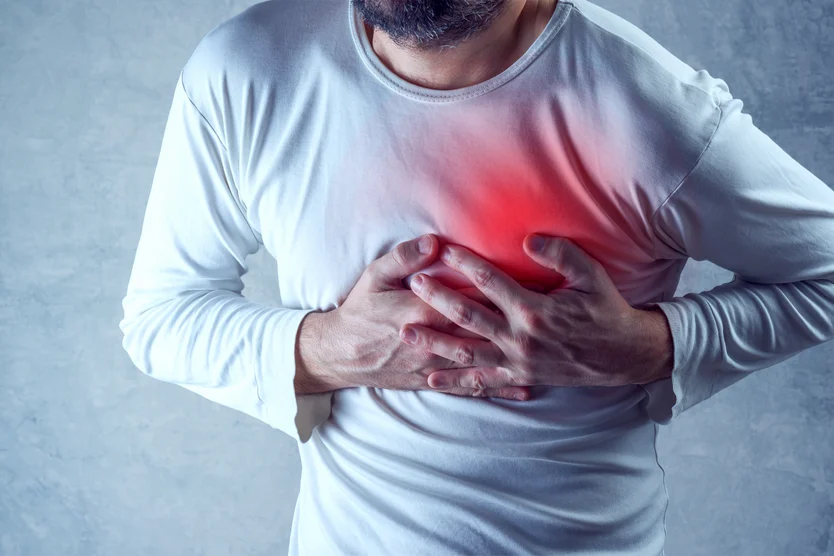

Heart disease kills quietly. Many people walk around with serious cardiac problems and feel perfectly fine. By the time symptoms appear, the damage is often severe. Regular health screening can catch these hidden dangers early.
Why Silent Heart Problems Are So Dangerous
Your heart might be struggling right now, and you wouldn’t know it. Blocked arteries can develop over years without causing pain. High blood pressure damages your vessels slowly. Early heart disease rarely announces itself with chest pain or shortness of breath.
This silent nature makes cardiac problems deadly. People collapse from heart attacks without warning. Others develop heart failure that could have been prevented. The good news is that medical tests can find these issues before they become life-threatening.
Essential Tests for Heart Health
A complete health screening for cardiac risks includes several key tests. Each one checks a different aspect of your heart’s function and health.
Blood Pressure Measurement
High blood pressure forces your heart to work harder. Over time, this damages both your heart and blood vessels. A simple pressure check takes two minutes and reveals if your levels are safe. Many people have elevated pressure without feeling unwell.
Cholesterol Testing
Your cholesterol levels show how much fat is building up in your arteries. A blood test measures both good and bad types of cholesterol. High bad cholesterol creates plaques that block blood flow. These blockages cause heart attacks and strokes.
Blood Sugar Analysis
Diabetes damages your heart in multiple ways. It affects your blood vessels and makes plaque build-up worse. A blood sugar test or HbA1c measurement shows if you have diabetes or are at risk. Catching high blood sugar early protects your heart.
Electrocardiogram
An ECG records your heart’s electrical activity. This quick test shows irregular heartbeats and signs of past damage. Some people have had small heart attacks without realising it. An ECG can reveal this hidden injury.
Heart Imaging
Ultrasound scans show how well your heart pumps blood. They reveal weak areas, valve problems, and structural issues. Stress tests check how your heart performs during exercise. These tests find problems that only appear when your heart works harder.
Who Needs Regular Cardiac Screening
Everyone over 40 should get basic cardiac checks. Your risk increases with age, even if you feel healthy. People with family history of heart disease need earlier and more frequent screening.
Smokers face higher cardiac risks at any age. Obesity, lack of exercise, and poor diet also increase danger. If you have diabetes, high blood pressure, or high cholesterol, regular health screening becomes essential. These conditions accelerate heart damage.
Men over 45 and women over 55 face increased risk. Women’s risk jumps after menopause. However, younger people aren’t immune. Stress, poor lifestyle, and genetics can cause problems at any age.
How Often Should You Get Screened
Most adults should have basic heart checks every two years. This includes blood pressure, cholesterol, and blood sugar tests. If you have risk factors, annual screening makes sense.
People with existing heart problems need more frequent monitoring. Your doctor will recommend a schedule based on your personal risk. Don’t wait for symptoms to appear. Prevention works better than treatment.
Taking Action After Screening
Medical screening only helps if you act on the results. Abnormal readings require lifestyle changes or treatment. High blood pressure needs medication or diet changes. High cholesterol responds to exercise and healthier eating.
Many people ignore borderline results because they feel fine. This is a mistake. Small problems grow into big ones. Early action prevents heart attacks, strokes, and heart failure.
The Bottom Line
Your heart might be in trouble right now without any warning signs. Regular health screening catches these silent killers early. Simple tests reveal blocked arteries, high pressure, and blood sugar problems. Finding these issues early saves lives.
Don’t wait until you feel unwell. Schedule a cardiac screening check today. Your heart works hard every day. Give it the protection it deserves through regular monitoring and early detection.