
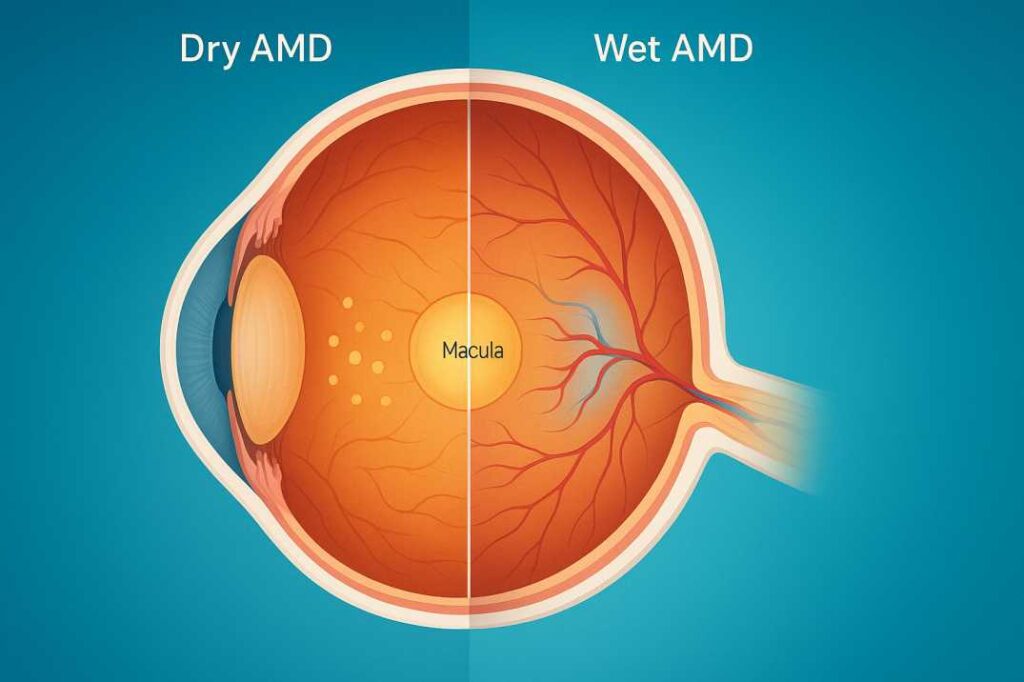

Central serous chorioretinopathy (CSCR) is an eye condition that occurs when fluid builds up beneath the retina, particularly under the macula, the area responsible for sharp central vision. This fluid accumulation can cause blurred vision, distortion, dark spots, and difficulty focusing on fine details. While some cases resolve on their own, others require medical intervention.
Understanding the recovery timeline after treatment for central serous chorioretinopathy can help patients set realistic expectations and monitor their progress with confidence.
Understanding the Goal of Treatment
The primary aim of central serous chorioretinopathy management is to stop fluid leakage and encourage reabsorption of the accumulated fluid under the retina. Depending on the severity and duration of the condition, management may include observation, laser therapy, photodynamic therapy (PDT), or medication adjustments-especially if corticosteroids are contributing to the problem.
Recovery does not happen overnight. Even after successful intervention, the retina needs time to restore its normal structure and function. Visual improvement often follows a gradual pattern rather than an immediate change.
The First Few Days After Treatment
In the initial days following intervention, patients may notice little to no change in their vision. This is completely normal. The body requires time to reabsorb the fluid trapped beneath the retina. Mild visual disturbances such as blurriness or distortion may persist during this early phase.
If photodynamic therapy or focal laser treatment was performed, patients might experience temporary light sensitivity or mild discomfort. These symptoms are typically short-lived and manageable with basic precautions, such as avoiding bright light exposure for a few days if advised by the ophthalmologist.
Follow-up instructions during this period are crucial. Patients are often scheduled for monitoring visits to assess how well the retina is responding.
Weeks 2 to 6: Gradual Fluid Reduction
Between two to six weeks, many patients begin noticing measurable improvement.
The subretinal fluid gradually decreases, and central vision may start to sharpen. Distorted lines may appear straighter, and colors may seem more vivid. However, recovery speed varies from person to person.
Optical coherence tomography (OCT) imaging is commonly used during follow-up visits to track fluid resolution. Even if visual clarity improves slowly, imaging often reveals that healing is underway.
It is important to remain patient during this phase. The retina is a delicate structure, and restoring its normal contour takes time.
One to Three Months: Significant Visual Improvement
By the one- to three-month mark, many patients experience significant recovery.
For those who responded well to central serous chorioretinopathy treatment, OCT scans may show minimal to no remaining fluid. Vision often stabilizes, and daily activities such as reading or driving become easier.
However, some patients may still notice subtle distortions or slight reductions in contrast sensitivity. This can occur if the fluid had been present for an extended period before treatment. Chronic cases may take longer to fully stabilize, especially if the condition has recurred multiple times.
Long-Term Recovery and Monitoring
Even after apparent recovery, ongoing monitoring remains essential.
CSCR can recur, particularly in individuals exposed to high stress levels or corticosteroid use. Lifestyle modifications-such as stress management, proper sleep, and medication review-play an important role in long-term stability.
In chronic or recurrent cases, vision may not return completely to its pre-condition level. Some patients may have mild permanent changes in central vision, although severe vision loss is uncommon with appropriate management.
Routine follow-ups allow early detection of recurrence and timely intervention if needed.
Factors That Influence Recovery Time
Several factors can affect how quickly vision improves:
- Duration of fluid accumulation before treatment
- Severity of leakage
- Type of intervention used
- Overall retinal health
- Presence of underlying health conditions
Acute cases treated promptly generally show faster and more complete recovery compared to long-standing or recurrent cases. Younger patients often experience better visual recovery, though outcomes depend largely on the condition’s duration rather than age alone.
When to Contact Your Eye Specialist
While gradual improvement is expected, certain symptoms should prompt immediate medical attention:
- Sudden worsening of vision
- New dark or blind spots
- Increased distortion
- Flashes of light
Early evaluation ensures that any complications or recurrence are addressed quickly.
Setting Realistic Expectations
Recovery after treatment is a gradual process rather than a sudden transformation. Most patients see noticeable improvement within one to three months, but full stabilization may take longer. The retina needs time to repair structural changes caused by fluid buildup.
Maintaining regular follow-up appointments and adhering to medical advice significantly improves long-term outcomes. Patients who actively participate in their care-by managing stress and avoiding unnecessary steroid use-reduce the risk of recurrence.
Conclusion
The recovery timeline after central serous chorioretinopathy treatment varies depending on the severity and duration of the condition, but steady improvement is common within weeks to months.
With proper medical management, close monitoring, and supportive lifestyle adjustments, many individuals regain functional vision and return to their daily activities with confidence. Patience, consistent follow-up, and open communication with your eye specialist are key to achieving the best possible visual outcome.