
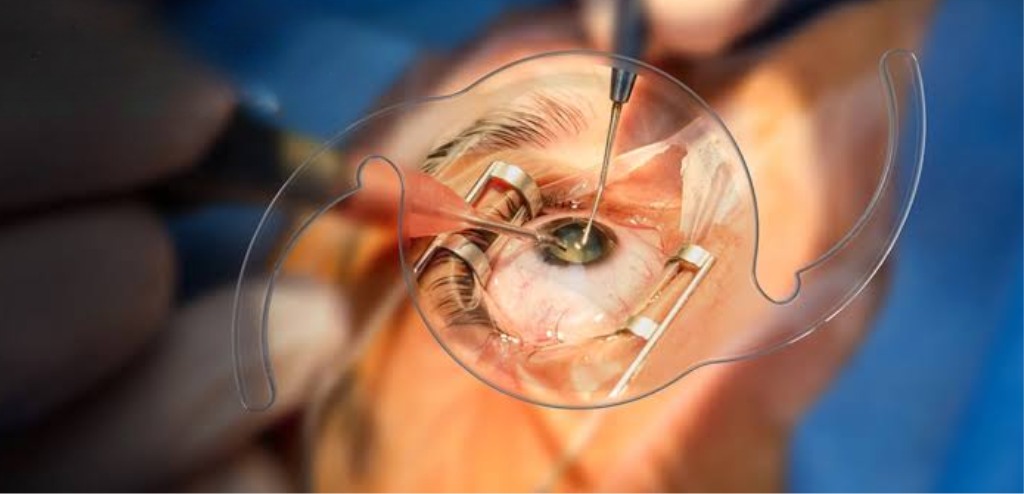

Cataract surgery is one of the most common and successful eye procedures performed today. With millions of people undergoing it each year, most experience improved vision and a smooth recovery. However, like any surgery, it’s normal to have some side effects as your eyes heal.
Understanding what to expect can help ease your concerns and allow you to take the right steps toward recovery. This article covers the most common side effects after cataract surgery, how long they typically last, and practical ways to manage them effectively.
1. Blurry or Fluctuating Vision
What to Expect:
Immediately after cataract surgery, your vision may be blurry or hazy. This is usually temporary and part of the healing process. It can take a few days to several weeks for your vision to stabilize, especially if your eyes are adjusting to a new intraocular lens (IOL).
How to Handle It:
- Rest your eyes and avoid straining them with screens or reading for long periods in the first few days.
- Attend all follow-up appointments so your eye surgeon can monitor healing.
If your vision worsens suddenly or does not improve after a few weeks, contact your doctor.
2. Dryness and Grittiness
What to Expect:
Many patients report a feeling of dryness, itching, or a “gritty” sensation after surgery. This happens because the eye’s surface can become slightly irritated during the procedure.
How to Handle It:
- Use preservative-free artificial tears as recommended by your doctor.
- Avoid rubbing your eyes, which can worsen the discomfort.
- Use a humidifier at home to prevent dry air from aggravating your symptoms.
Dry eye symptoms usually improve within a few weeks but may persist in some individuals with pre-existing dry eye conditions.
3. Light Sensitivity
What to Expect:
Increased sensitivity to light, also known as photophobia, is a common side effect in the days following cataract surgery. Bright lights or sunlight may feel harsh or cause discomfort.
How to Handle It:
- Wear sunglasses when going outside, even on cloudy days.
- Use dim lighting indoors and avoid direct exposure to bright overhead lights.
- Gradually reintroduce brighter environments as your eye heals.
This sensitivity typically improves within a week or two.
4. Seeing Halos or Glare
What to Expect:
Some patients notice halos, glare, or starbursts around lights, especially at night. This can be more noticeable if you’ve received a multifocal IOL or have pre-existing corneal conditions.
How to Handle It:
- Avoid driving at night until your vision stabilizes.
- Use anti-glare lenses or glasses if recommended by your eye doctor.
- Report persistent or worsening visual disturbances during follow-ups.
These effects usually diminish over time as your brain adjusts to the new lens.
5. Redness and Mild Swelling
What to Expect:
Mild redness in the eye and slight swelling of the eyelids or cornea are common post-operative symptoms. This is part of the body’s natural response to surgery.
How to Handle It:
- Use any prescribed anti-inflammatory or antibiotic eye drops as directed.
- Keep your head elevated while sleeping to reduce swelling.
- Apply a cool compress gently to the closed eyelid if advised by your doctor.
Redness and swelling should gradually subside within the first week.
- Floaters or Flashes of Light
What to Expect:
You may notice floaters (tiny specks or cobweb-like shapes) moving across your field of vision. While often harmless, they can be concerning when they appear suddenly.
How to Handle It:
Monitor the floaters, if they increase rapidly or are accompanied by flashes of light or a shadow in your peripheral vision, seek immediate medical attention. These could be signs of a retinal tear or detachment, which is a rare but serious complication. Don’t ignore sudden changes in vision, especially in the days or weeks after cataract surgery.
7. Cloudy Vision Weeks or Months Later
What to Expect:
Some patients develop what is known as posterior capsule opacification (PCO), a clouding of the membrane behind the implanted lens. It can occur weeks or months after surgery and mimic the return of cataracts.
How to Handle It:
PCO is easily treated with a quick, painless laser procedure called YAG laser capsulotomy. This outpatient procedure restores clear vision almost immediately in most cases. Talk to your doctor if your vision becomes cloudy after an initially successful recovery.
Conclusion
While most side effects after cataract surgery are mild and short-lived, knowing what to expect helps you stay calm and proactive during your recovery. Always follow your surgeon’s post-operative instructions closely, attend all scheduled follow-ups, and don’t hesitate to reach out if something doesn’t feel right.
Being informed allows you to take better care of your eyes and enjoy the full benefits of your restored vision. With the right care and attention, your recovery from cataract surgery can be smooth, safe, and highly successful.