
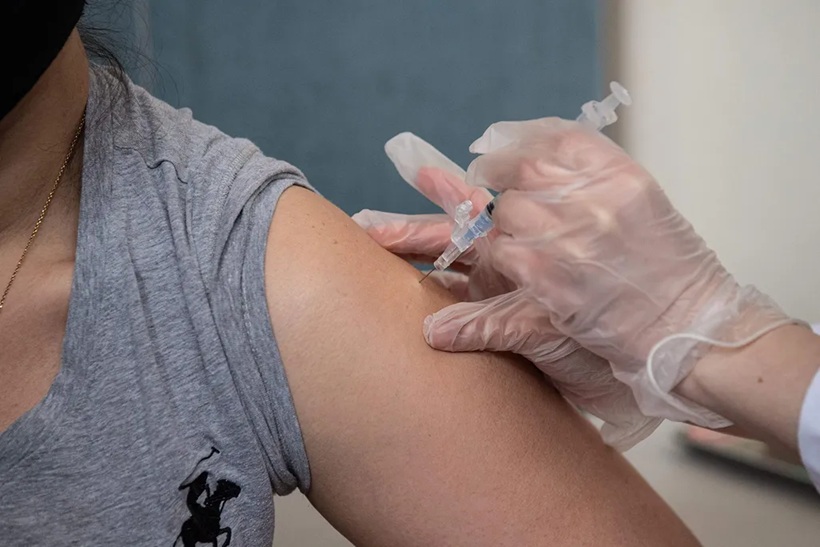

COVID-19 vaccines have become a vital part of public health efforts worldwide, helping to reduce the severity and spread of the virus. Most people tolerate the vaccine well, experiencing only mild and temporary side effects. However, it’s important to understand which symptoms are normal and when a reaction may require medical attention.
Common Reactions to Expect
After receiving a COVID vaccine shot, your body begins building protection against the virus. As a result, many people experience common side effects, especially after the second or booster doses. These reactions include pain or swelling at the injection site, mild fever, chills, tiredness, and headaches.
These symptoms are usually short-lived and indicate that your immune system is responding properly. Mild side effects typically start within a day or two after the shot and resolve on their own in a few days. Over-the-counter medication such as paracetamol can help ease discomfort if needed.
When Reactions Might Be Serious
While most vaccine reactions are minor, there are times when symptoms could be a sign of something more serious. If you develop hives, trouble breathing, facial swelling, or a fast heartbeat soon after receiving the vaccine, you may be experiencing an allergic reaction. This type of reaction typically happens within minutes to an hour of the injection and requires immediate medical attention.
You should also see a doctor if you experience persistent chest pain, shortness of breath, severe headaches, or vision changes within days of your coronavirus vaccine. Though these symptoms are rare, they could indicate complications such as myocarditis, especially in younger men, or a rare clotting condition. Medical professionals are trained to monitor and treat these rare events if caught early.
What to Do If Symptoms Worsen
If common symptoms like fatigue or fever last longer than three days or become more intense instead of getting better, it’s wise to consult your doctor. Similarly, if you notice anything unusual like a rash that spreads, numbness, or tingling, don’t ignore it. Most clinics and hospitals in Singapore are well-equipped to handle post-vaccine concerns and can guide you on the next steps.
Remember, seeking help doesn’t necessarily mean something is wrong—it’s about staying cautious. Doctors may advise further observation, offer treatment to ease symptoms, or investigate other possible causes.
Should You Get Another Dose?
If you had a mild reaction to a previous COVID vaccination, it’s generally safe to continue with your scheduled doses. However, if you experienced a serious allergic reaction, your doctor may refer you to an allergist or recommend switching to a different vaccine type. Singapore’s vaccination programme offers several approved vaccines, and medical teams will tailor advice based on your specific health history.
It’s important not to skip or delay your vaccinations without medical advice. The benefits of being vaccinated—reduced risk of severe COVID-19 and hospitalisation—still far outweigh the risks of side effects in most people.
Staying Informed and Safe
Before your vaccination, let your healthcare provider know about any chronic illnesses, past allergic reactions, or medications you’re taking. This can help them determine if any extra precautions are necessary.
You should also be aware of how to report any unusual side effects after your shot. In Singapore, you can do so through the Health Sciences Authority (HSA) via the Vaccine Side Effects Reporting System. This contributes to vaccine safety monitoring and can help protect others.
Conclusion
Getting vaccinated is one of the most effective ways to protect yourself and those around you from COVID-19. While side effects can occur, most are mild and short-lived. Knowing the difference between normal and concerning symptoms allows you to take prompt action when needed and ensures peace of mind during the vaccination process.
If you or a loved one experiences symptoms that seem unusual, don’t hesitate to consult your healthcare provider. Staying informed, prepared, and proactive is key to navigating your COVID vaccination journey safely and confidently.