
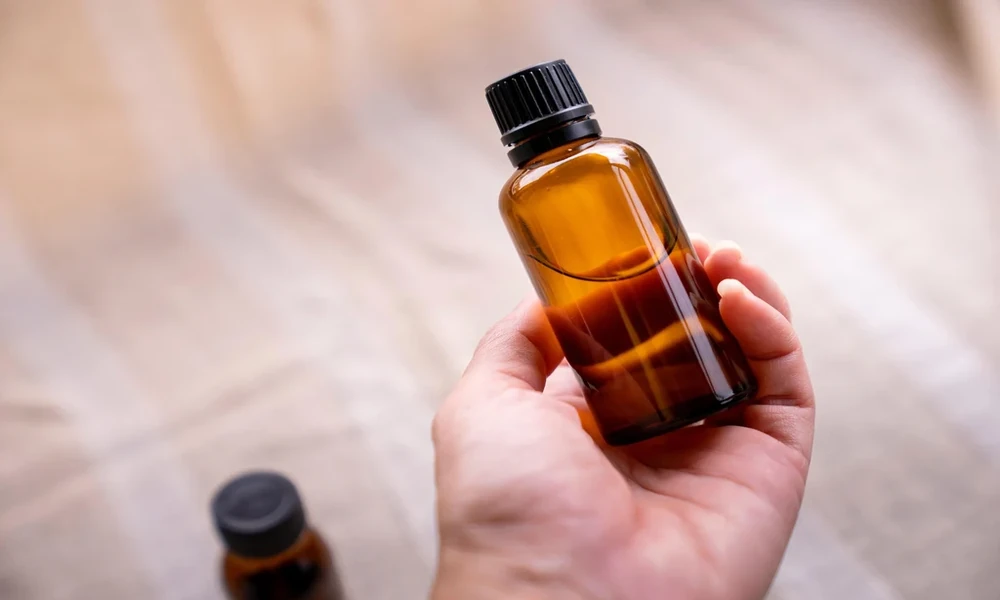

Perfumedingredients appear in many household items plus personal care products. Their names may seem similar, although their sources can differ greatly. Knowing the source can make product labels easier to understand. Production methods also affect fragrance oil vs essential oil strength plus possible applications. Clear information helps people compare scented ingredients without relying on unclear assumptions.
Understanding Different Scent Sources
Scented oils can come from plant material or prepared aromatic mixtures. Plant-derived extracts often carry naturally occurring aromatic compounds.
Prepared scent blends may combine several aroma materials for consistency. Their origin affects scent character plus how manufacturers use them.
How Production Methods Differ?
Plant extracts usually come from flowers or leaves through careful processing. Some materials also come from bark or fruit peels.
Fragrance blends are commonly developed to create a particular aroma profile. This difference influences stability plus the range of available scents.
Comparing Everyday Ingredient Characteristics
Understanding basic characteristics makes similar product labels easier to compare. The following points show several clear differences between these oil categories.
- Plant extracts usually reflect scents found within their source.
- Prepared aroma blends can recreate scents unavailable through plant extraction.
- Natural extracts may change slightly between different production batches.
- Created scent mixtures often provide more predictable aroma consistency.
- Botanical materials commonly contain several naturally occurring aromatic compounds.
- Manufactured blends may combine selected materials for specific scent profiles.
- Storage conditions can influence plant-based extracts over longer periods.
- Formula design often gives fragrance mixtures-controlled scent performance.
A clear fragrance oil vs essential oil comparison should therefore consider source plus preparation method. Product names alone do not explain every ingredient detail.
Reading Product Labels Carefully
Labels provide useful clues about ingredient origin plus intended product use. Terms such as botanical extract may indicate material obtained from plants.
Fragrance descriptions can represent blended aroma compounds from several sources. Checking the complete ingredient list gives a clearer picture than scent names alone.
What Separates These Two Common Scented Oil Types?
The main distinction begins with how each scented material is created. Plant-based oils are obtained from botanical sources through methods suited to the chosen material. Their aroma reflects compounds already present within that source. Quality can vary because crops plus processing conditions are not always identical.
Fragrance mixtures are designed around a chosen scent profile. They may contain prepared aroma materials or selected naturally sourced components. A fragrance oil vs essential oil comparison also requires attention to intended use. Neither name alone explains quality. Source details plus ingredient information provide stronger guidance for careful product comparison.
Scent Stability Across Products
Aroma strength may behave differently depending on the chosen formula. Plant-sourced materials can change after exposure to heat or light. Prepared blends may offer greater consistency across repeated product batches.
Clear Comparison at A Glance
The table separates several characteristics without repeating basic source definitions.
| Comparison Area | Plant Derived Oil | Fragrance Blend |
| Aroma range | Limited by available botanical materials | Offers a broader scent selection |
| Batch consistency | May show small natural variations | Usually designed for steady results |
| Scent complexity | Reflects compounds within botanical material | Can combine several chosen aroma notes |
| Storage sensitivity | Often affected by light plus temperature | Stability depends on formula design |
| Label review | Botanical name may appear | Fragrance terms may describe the mixture |
Common Scent Questions Answered Simply
People often have short questions when comparing scented ingredients. Simple answers can prevent assumptions based only on product names.
- What determines aroma strength? Concentration plus formulation influence noticeable scent levels.
- Are plant extracts always identical? Natural variation can change batches.
- Do prepared blends offer variety? Formulation allows many scent profiles.
- What affects storage quality? Heat plus sunlight can alter materials.
- Should labels be checked carefully? Ingredient details clarify product composition.
- Does natural origin guarantee suitability? Intended application still requires consideration.
Choosing Through Clear Information
Ingredient names should be considered alongside source plus intended purpose. A pleasant aroma does not reveal how a material was produced.
Careful label review helps separate botanical extracts from designed scent mixtures. Simple comparison reduces confusion while supporting more informed product choices.
Better Clarity Builds Consistent Choices
Understanding scented oils becomes easier when source details receive proper attention. Production style offers another useful clue about expected characteristics. Labels can then confirm how a particular formula has been prepared. Consistent checking creates stronger judgment than relying on familiar names. Careful comparison matters more than seeking a perfectly simple answer.